

How do you earn respect from a room full of students who have never met you? Well, staying calm, setting clear routines, and showing interest in the students right from the start are a few ways you can make a good first impression and get their trust quickly.
But if you are a first-time supply teacher, we understand if you’re anxious about this. Because if things go wrong early, settling the class again can take time.
In this guide, we share practical supply teacher tips like these for making strong first impressions. You’ll learn how to stay calm, confident, and flexible, even after a short-notice booking or stressful commute.
We’ll start with the basic items that make your day easier from the moment you arrive.
What to Bring as a Supply Teacher: Essentials for Smooth Classroom Days
The best supply teachers carry a few reliable items, like spare pens, a ready-made starter task, stickers, and a simple reward chart, to help them connect with students and manage their behaviour from the start.
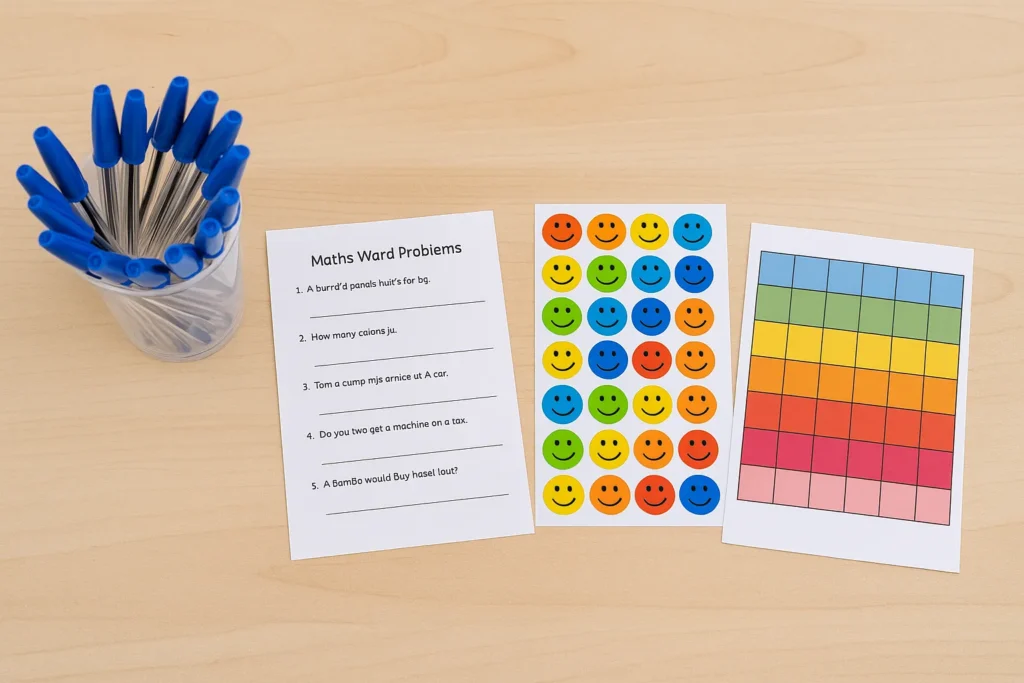
Here are some practical tips to help you build your own supply kit.
Your Supply Bag Basics
Over time, we found that certain items are consistently useful for supply teachers. Pack these before your next supply booking:
- Spare Pens, Whiteboard Markers, and Stickers: Students forget supplies (particularly pens or pencils) constantly, so taking spare pens will help you avoid wasting lesson time. The stickers are a must-have quick reward, especially if you’re teaching younger classes from Reception to Year 2.
- Simple Ready-Made Lessons: Your own lesson plans for different subjects can save you in situations where the class teacher left with no plans. Trust us, this happens quite often.
- Behaviour Management Resource: You can use ready-made sets like behaviour charts, clip/peg charts, and reward posters to help you stay consistent with responses. These tools show the rules, routines, or consequences at a glance, so the students will know from the first minute what’s expected.
- “About Me” Starter Sheets: If you’re anxious about making that first impression, we recommend these “About Me” starter sheets to help you introduce yourself in a friendly, structured way. Most students will respond positively to your genuine interest in getting to know them, too.
These items can fit easily into one bag. Just spend a bit of time prepping, and the day will feel much easier.
Structure Those First 15 Minutes
If you’ve taught for a while, you already know how important those first 15 minutes are for setting the tone.
We recommend starting with a short warm-up activity, like “word of the day” or a short reflection question about the previous lesson, to get the students focused.
Then you can go over the classroom routines and adjust them if needed, before going through the school’s behaviour rules in a friendly, approachable way.
Be Flexible Across Different Schools
Every school has different systems, students, and technology. Policies and school culture can also vary.
For example, some schools log homework online or expect silent independent work instead of group discussion. That’s why it’s important to quickly get a feel for the tone and informal rules.
Being flexible like this will help your supply teaching go smoothly.
Building Rapport: Supply Teacher Tips to Earn Trust Fast
Always remember that the students will cooperate more if they feel respected (not controlled). And if you can build a rapport with them early, it’ll make behaviour management easier and your day more enjoyable.

Let’s look at some simple ways you can earn trust quickly.
Build Respect Before Correcting
The fastest way you can gain respect is by showing the students you see them as individuals. Simple things, like calling students by name and showing interest in their work, can help and change how they respond to you.
You can also ask simple questions like “How was your weekend?” or “What did you think of that match last night?” These moments will show genuine interest and help the students lower their guard around you a little.
Of course, challenging behaviour will still happen, especially in senior years. When it does, resist the urge to raise your voice. You don’t want students to see you as reactive and put their guard up after you’ve worked so hard to build trust.
Instead, remain calm and address the issue quietly. This approach will also protect your energy for the rest of the school day.
Use Your Classroom Support
Teaching assistants are often your best source of insight on particular students or class routines. So, take a moment to introduce yourself and ask them what usually helps with this group.
The monitor or other confident students can also help you out. Try to identify the students who naturally take charge or follow rules well and use them to model expectations for the rest of the class. When other students see their respected classmates following instructions, they will follow along too.
Build Good Staff Relationships
Don’t forget to connect with the staff as well. You can stop by the staff room, say hello, and offer help when you can. A simple “thanks for the heads up” or “let me know if you need anything” is enough to make a positive impression.
If the staff enjoys working with you, they most likely will request you again. This is actually how most successful supply teachers build a steady stream of more work over time.
Leave a Positive Mark for Future Supply Bookings

Now, how do you really make sure schools want you back?
The first step is to write a detailed note for the class teacher. Include what was covered, who did well, and any important behaviour notes so the regular teacher can pick up exactly where you left off. More importantly, this will show them that you care about continuity.
Before you leave, make sure to put things back in their place to leave a good impression. Also, take a moment to thank teaching assistants or other teachers who helped you adjust during the day.
This way, the schools will remember you as a supply teacher who was respectful, prepared, and easy to work with. These are the ones who get called back for more work.
Ready to find your next role? Visit OTJR Online to find supply teaching jobs in London and sign up with our team today.