

UK schools expect supply teachers to arrive with proper clearances, follow their behaviour policies, and work smoothly with permanent staff. More than that, they want someone who can manage a classroom without disrupting what the regular teacher has built.
That might sound overwhelming at first, but it’s not. You just need to understand what schools are actually looking for and how to deliver it from day one. This guide shows you exactly how.
We cover the documentation you need, how to work with different age groups, and what makes head teachers want to book you again. By the end, you’ll know how to make a strong first impression.
Let’s start with the legal requirements.
Professional Requirements: What You Need Before Day One
UK schools won’t let you through the door without proper documentation and clearances sorted beforehand. You’ll need a DBS check, curriculum knowledge, and safeguarding training at a minimum.
DBS Clearance and Documentation

The Disclosure and Barring Service (DBS) check verifies you’re safe to work with children. Think of it like a security clearance for education that checks your criminal record and confirms you’re not on any barred lists.
Thankfully, most agencies handle the DBS processing for you. That’s one less task off your plate when schools contact you for work.
On arrival, bring your photo ID and proof of address with your DBS. Schools verify these before letting you teach because, without valid clearance, you’re heading home regardless of how desperately they need cover.
Understanding the National Curriculum
It might seem obvious, but you need a working knowledge of what children learn at different stages. How else would you know if a Year 5 lesson on fractions fits their current work?
Of course, you don’t need every detail memorised. But knowing what the national curriculum covers for each year group means you can deliver lessons that fit with what pupils are already learning.
Safeguarding Knowledge
Every supply teacher must understand child protection procedures and when to report concerns. If something seems wrong (a worrying bruise, a troubling comment), schools expect you to spot it and escalate to designated staff immediately. Your awareness of vulnerable children proves you’re ready to protect them properly.
Classroom Standards Schools Look For
Schools don’t expect perfection from you. What they want is someone who can maintain positive behaviour using the systems already in place. The class teacher has spent weeks building routines that work for those specific children. Your job is to follow those routines, not reinvent them.
That means using the same reward system, applying the same consequences, and enforcing school rules the way the permanent teacher does. When students know what to expect, behaviour stays stable even with someone new at the front. If the regular system uses table points, you use table points. If they have a traffic light chart, you stick with that.
Schools also expect you to keep children learning without disrupting the classroom atmosphere. Head teachers notice supply staff who can walk into an unfamiliar room and keep the standards already set. It’s about respecting the work already done and keeping things ticking along smoothly.
How Supply Teachers Support Different Age Groups

Schools expect different things depending on whether you’re teaching Reception or Year 11. Primary students need more structure and hands-on guidance, while secondary students respond better when you treat them with a bit more independence.
The table below shows what this looks like in practice:
| Age Group | What Schools Expect | Your Teaching Approach |
| Primary (Reception to Year 6) | Clear routines, step-by-step instructions, visual aids, and frequent check-ins during activities | Model tasks before students start, stay physically present in the room, and use praise and redirection constantly |
| Secondary (Year 7 to Year 13) | Subject knowledge depth, acknowledgement of student maturity, ability to manage independent work, and class discussions | Explain once clearly, step back to let them work, and address behaviour issues more discreetly |
The jump from primary to secondary teaching feels different because primary students need you to show exactly what you want them to do before they start (they’re still learning how to learn). Secondary students, however, expect more autonomy, so they want you to explain the task once and trust them to work independently.
When you know how behaviour management changes between age groups, it becomes easier to adjust quickly to the class you’re covering.
Working With the Class Teacher and Teaching Assistants
You’re never truly working alone in a classroom, even when the permanent teacher isn’t there. After placing hundreds of supply teachers across London, one pattern keeps appearing: the ones who build a quick rapport with support staff have easier days.
You can make that happen in a few simple ways:
- Ask TAs About Student Needs Early: They know which pupils need extra support, who sits where, and what behaviour strategies actually work with this specific group.
- Involve Them in Lesson Planning: Support staff often handle small groups or individual students, so they need to know what you’re teaching and when transitions happen.
- Leave Clear Notes for the Class Teacher: Mention what got covered, which pupils struggled, and anything the permanent teacher should know before their next lesson.
When you treat the classroom like a team effort instead of working solo, colleagues notice. They remember those who ask questions and take advice. That’s what brings repeat bookings to the same schools.
Behaviour Policy: Following School Rules From the Start
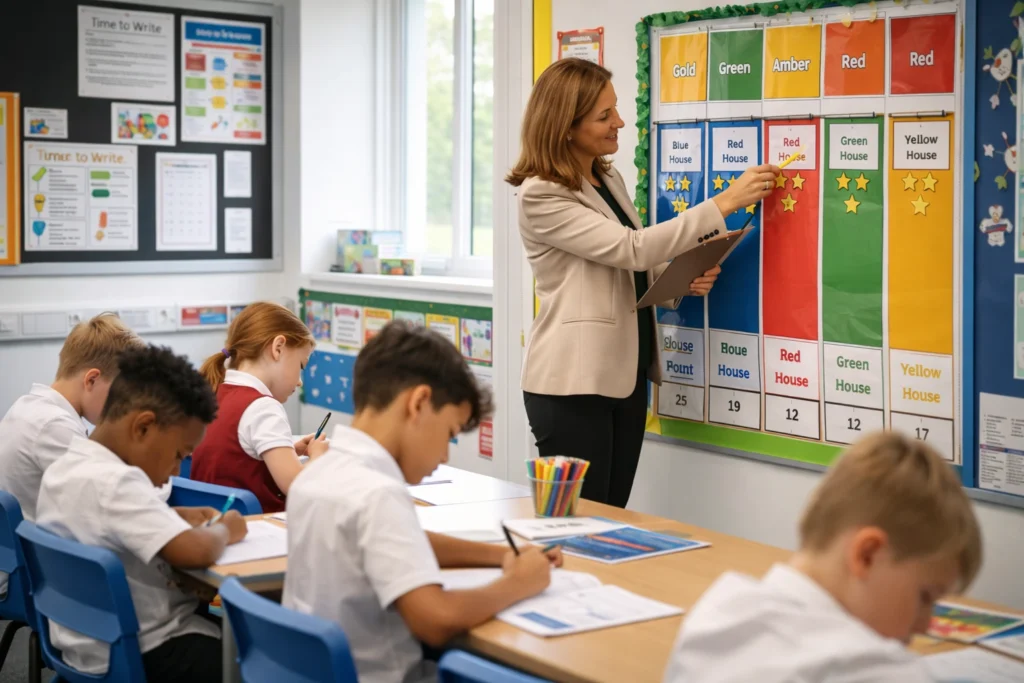
Every school has its own behaviour policy. Some use house points, others rely on behaviour charts, and a few stick with simple verbal warnings. Your job is to use whatever system the specific school already has in place.
If a child breaks a rule, respond the way their regular teacher would. That consistency is important because children test boundaries with supply teachers. When you enforce school rules exactly like the class teacher does, students realise the expectations haven’t changed just because someone new walked in.
Student discipline isn’t limited to just reacting when something goes wrong. Schools expect positive behaviour management that keeps children learning without constant disruptions. Praise good behaviour as much as you address bad behaviour. If one student acts out, deal with it quietly instead of making a scene that derails the whole class.
What Head Teachers Value Most in Supply Staff
From our experience working with schools across Brixton and Camden, they remember reliable supply teachers and book them again and again. Small things like arriving 15 minutes early instead of rushing in at 8:55 stand out. Leaving clear notes about the day does too. These details tell head teachers you’re dependable without them having to guess.
What else catches their attention?
- Flexibility When Plans Change: Supply teaching at multiple schools means handling unexpected situations. The lesson plans might be missing, or a class might be larger than expected. Head teachers value supply staff who adapt without complaining.
- Clear Communication About Issues: If something went wrong during the day (a behaviour incident, a safety concern, or a student who struggled), schools need to know. Teachers who communicate problems clearly show they can be trusted with classroom responsibility.
- Professional Presentation and Punctuality: This goes beyond just showing up on time. It’s about looking like a teacher, speaking professionally with parents and colleagues, and treating the role seriously, even when you’re only there for a day.
School leadership notices these qualities because they directly affect how smoothly the school runs. When you demonstrate organisation skills and reliability consistently, you become the teacher they call first.
Getting Paid Fairly: Average Salary Expectations

Supply teacher rates typically range from £120 to £180 daily, depending on your experience level and what subjects you teach. London schools often pay more than the surrounding areas because living costs in the capital are higher, and demand for teachers stays strong.
Most schools pay supply teachers through recruitment agencies rather than directly, which means the agency determines your final pay. Commission rates vary (some take 20%, others 30%), so it’s worth asking upfront what percentage they take to know exactly what lands in your account.
Understanding standard rates helps you negotiate fairly without damaging professional relationships.
Building a Reputation That Gets You Booked Again
Schools remember supply teachers who make their lives easier rather than creating additional stress. When you show up prepared, follow their systems, and communicate clearly about the day, you stand out.
Your first few assignments create the reputation that leads to regular bookings. One good day might get you called back. Three or four successful assignments often turn into standing bookings. Meeting UK school expectations consistently is what separates those who struggle for work from those with regular bookings.
If you’re ready to start building that reputation across London schools, get in touch with us. We connect reliable supply teachers with schools that value professionalism and consistency.